
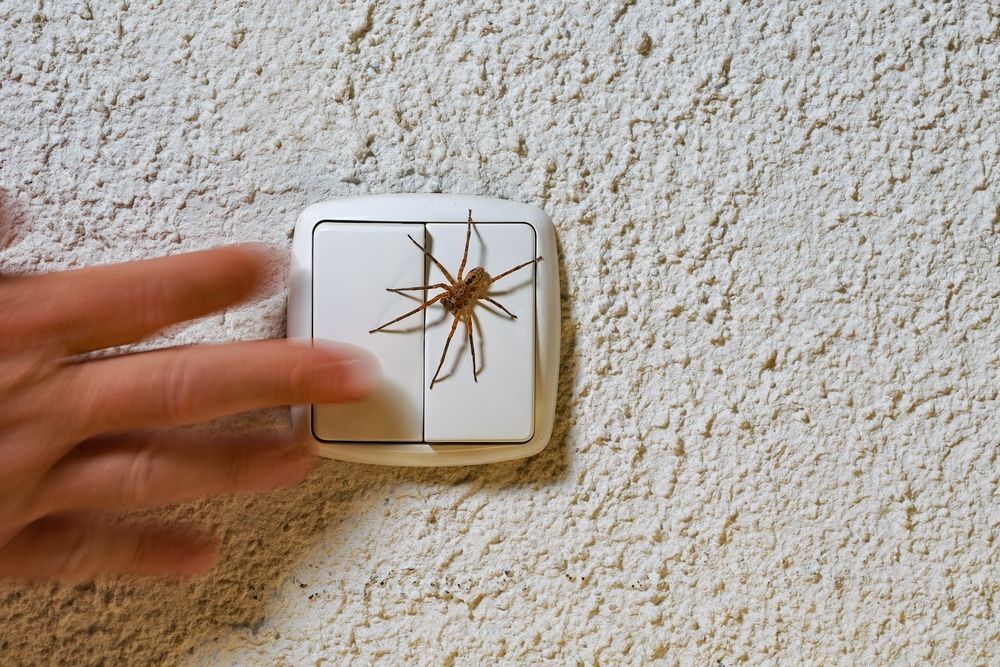
Webs That Multiply in Untreated Spaces
Spiders in Alton for persistent web buildup in basements, garages, and crawl spaces where moisture and insect activity sustain populations
Increased spider activity during seasonal weather changes in Southern Illinois drives web-building species indoors as temperatures drop and prey insects seek shelter. TB Pest Solutions addresses spider infestations through inspections that identify moisture issues, hidden nesting areas, and the insect activity attracting spiders into garages, basements, and crawl spaces. Treatment removes existing webs, targets active spiders, and applies preventative perimeter barriers to reduce future entry.
Spider control involves more than visible web removal because egg sacs, molting sites, and hunting spiders occupy spaces behind stored items, within foundation cracks, and along joists where inspection access is limited. Moisture from basement seepage, crawl space condensation, or poor ventilation creates conditions that support both spiders and the insects they feed on, turning these areas into sustained breeding zones.
Request a detailed inspection to evaluate spider activity patterns and moisture conditions contributing to ongoing infestations in Alton, Godfrey, Collinsville, and surrounding areas.
What Happens After Perimeter Treatment
Perimeter treatments create a barrier along foundation lines, entry points, and exterior walls where spiders typically cross when moving between outdoor harborage sites and interior spaces. Applications target the zones where spiders travel rather than relying solely on contact kills, which means residual protection continues working between service visits. Recurring maintenance plans adjust treatment frequency based on seasonal activity levels and property-specific conditions.
You'll notice fewer webs forming in garage corners, basement window wells, and along exterior eaves after treatment. The reduction in live spiders and egg sac development becomes visible within days, and spaces previously avoided due to web buildup become usable again. TB Pest Solutions applies safe treatment formulations around homes and families, focusing on low-toxicity products that maintain effectiveness without requiring evacuation or extended re-entry delays.
Properties with attached garages, unfinished basements, or vented crawl spaces require interior treatment in addition to perimeter applications because spiders already established indoors won't cross exterior barriers. Seasonal transitions in fall and spring trigger increased indoor migration as outdoor temperatures fluctuate, making these periods critical for preventative service scheduling.
Spider concerns often involve both visible web activity and the underlying conditions allowing populations to thrive, and these answers clarify what treatment addresses.
Answers About Spider Treatment
TB Pest Solutions offers recurring maintenance designed to keep spider populations controlled throughout the year, with service frequency adjusted based on activity levels specific to your property. Schedule spider control services to address current infestations and establish preventative protection before seasonal migration increases indoor activity.
What causes sudden increases in basement spider activity?
Seasonal weather changes push spiders indoors as outdoor temperatures drop, and basements with moisture issues or cricket and silverfish populations provide both shelter and food sources that sustain spider breeding.
How does web removal differ from population control?
Web removal clears visible signs but doesn't address active spiders, egg sacs, or the insects attracting them, while population control targets breeding sites and food sources to prevent web reformation.
When should preventative treatments be applied in Alton?
Late summer and early fall represent peak indoor migration periods as spiders seek overwintering sites, making August through October critical for perimeter applications that intercept movement before populations establish indoors.
What makes crawl spaces particularly prone to spider activity?
High humidity, limited airflow, and proximity to soil create ideal conditions for moisture-dependent insects that spiders prey on, and the undisturbed environment allows web-building species to reproduce without interference.
How do recurring maintenance plans reduce long-term activity?
Scheduled treatments maintain barrier effectiveness through seasonal activity cycles, preventing the population rebound that occurs when single applications wear off before migration periods end.