
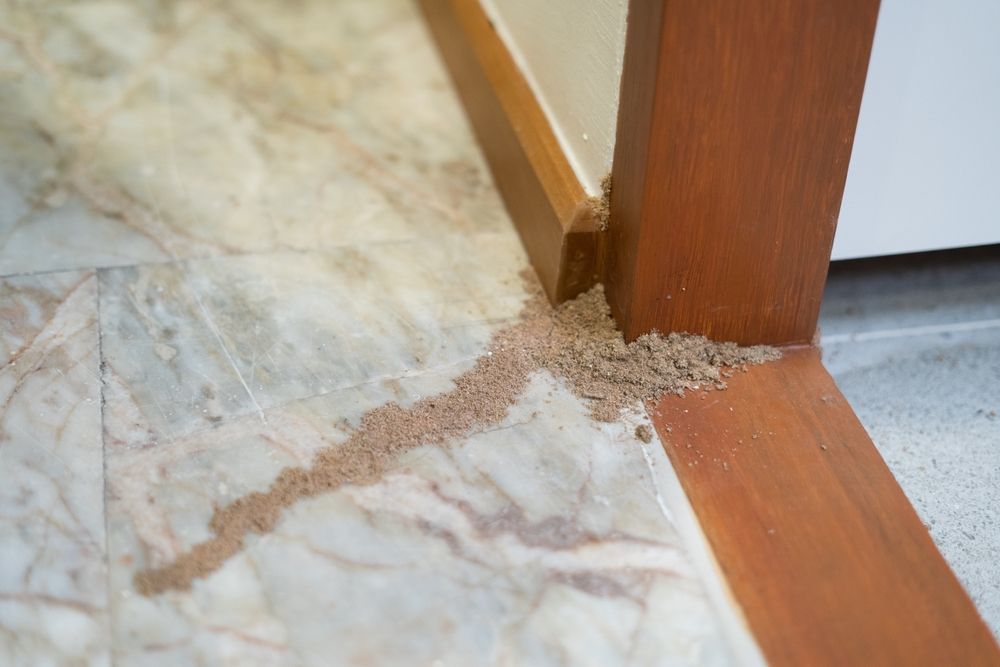
Reducing Infestations Before They Begin
Exclusion & Preventative Services in Alton and throughout Southern Illinois for properties with structural vulnerabilities that allow pest entry
Gaps around foundation lines, unsealed utility penetrations, damaged weather stripping, and moisture accumulation near crawl spaces create entry points that allow ants, spiders, rodents, and cockroaches to establish themselves inside structures. TB Pest Solutions provides exclusion and preventative services that identify these vulnerabilities through detailed property inspections, then seal entry points and address conditions that attract pests. Preventative work reduces the likelihood of future infestations by removing access routes and nesting opportunities before pests exploit them.
Inspections uncover cracks in foundation walls, gaps where siding meets concrete, openings around pipes and vents, and areas where moisture has softened wood or created conditions favorable to pest activity. Technicians document each vulnerability and provide customized recommendations based on the structure's age, construction type, and observed pest pressure.
Request a preventative pest inspection to identify structural weaknesses and receive a prioritized plan for sealing entry points in Alton, Godfrey, Edwardsville, and surrounding areas.
What Proper Exclusion Work Requires
Effective exclusion involves more than sealing visible gaps—it requires identifying how pests are moving through the property, where they are entering, and what conditions are allowing them to remain. Technicians inspect both interior and exterior zones, including basements, attics, crawl spaces, and utility access areas, looking for gaps smaller than a quarter-inch that rodents and insects can exploit. Sealing work uses materials appropriate for each location: expandable foam for irregular gaps, metal mesh for larger openings, caulk for crack sealing, and door sweeps for threshold gaps.
Once exclusion work is completed, you notice fewer pest sightings near entry points, reduced indoor activity during peak pest seasons, and a property that requires less frequent reactive treatments. Combining exclusion services with recurring pest maintenance creates a layered defense where structural barriers prevent entry while scheduled treatments address pests that bypass those barriers.
Exclusion work does not eliminate all pest risk—outdoor pests will still attempt entry, and new vulnerabilities can develop as structures settle or weather-related damage occurs—but it significantly reduces the pathways pests use to access interior spaces. Technicians prioritize sealing based on which vulnerabilities pose the highest risk, allowing property owners to address critical entry points first and phase additional work as budget allows.
Property owners considering exclusion services typically want to understand what inspections reveal and how preventative work integrates with ongoing pest control.
Questions About Preventative Pest Strategies
TB Pest Solutions tailors exclusion recommendations to each property's construction, condition, and observed pest patterns, ensuring that sealing work addresses the vulnerabilities most likely to result in infestations. Book a preventative inspection to reduce pest entry risks and lower long-term control costs.
What types of vulnerabilities do inspections identify?
Inspections uncover gaps around foundations, unsealed utility penetrations, damaged screens and vents, moisture problems that attract pests, and nesting sites in crawl spaces or attics.
How does exclusion work reduce long-term pest control costs?
Sealing entry points decreases the number of pests that can access interior spaces, which reduces the frequency and intensity of treatments needed to maintain control
Can exclusion services be combined with recurring pest maintenance?
Yes, combining structural exclusion with scheduled treatments provides layered protection—barriers prevent entry while treatments address pests that bypass those barriers or originate indoors.
What materials are used to seal entry points in Southern Illinois properties?
Sealing materials vary based on location and gap size, including expandable foam for irregular openings, metal mesh for rodent-proofing larger holes, and weather-resistant caulk for exterior crack sealing.
How often should preventative inspections be conducted?
Inspections should occur annually or after significant weather events, structural repairs, or changes in pest activity that suggest new entry points have developed.