
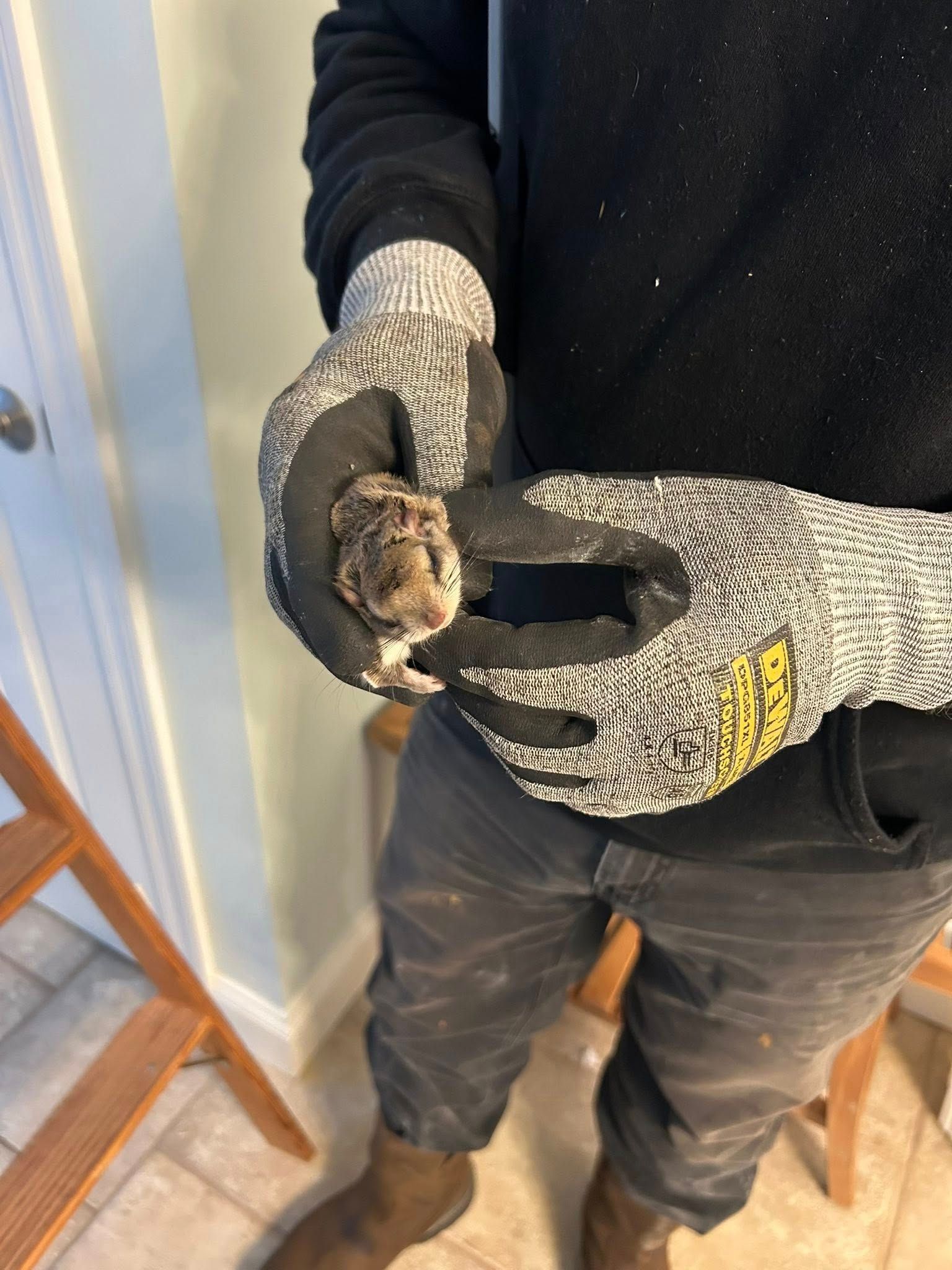
Entry Points That Rodents Exploit Repeatedly
Rodent Control in Alton for mice and rat infestations in homes and businesses where structural gaps allow repeated access despite trapping efforts
Increased rodent activity during colder Illinois weather drives mice and rats indoors as outdoor food sources decline and temperatures drop below freezing. Properties with foundation cracks, unsealed utility penetrations, and gaps under doors provide entry routes that rodents return to even after trapping removes the current population. TB Pest Solutions conducts inspections designed to locate entry points, nesting areas, and the food sources sustaining infestations, then develops customized treatment plans based on property layout and infestation severity.
Rodent control addresses both immediate removal and the structural vulnerabilities allowing access, because trapping alone doesn't prevent new rodents from entering through the same gaps. Mice can squeeze through openings as small as a dime, and rats exploit worn weatherstripping, damaged vent screens, and gaps where siding meets foundation. Inspections identify these access points along with nesting materials in wall voids, attic insulation, and storage areas where droppings and gnaw marks indicate active harborage.
Arrange an inspection to identify rodent entry routes and assess the exclusion work required to prevent ongoing access in Alton, Bethalto, Granite City, and surrounding areas.
How Exclusion Reduces Future Rodent Access
Exclusion recommendations focus on sealing the structural gaps, ventilation openings, and utility penetrations that rodents use to enter buildings. Steel wool and caulk combinations fill small gaps around pipes, while hardware cloth covers larger openings in foundation vents and roof eaves. Door sweeps, weatherstripping replacement, and garage door seal repair eliminate ground-level access points that mice exploit during nightly foraging. These modifications create a sealed perimeter that forces rodents to seek easier entry elsewhere rather than repeatedly accessing the same property.
After removal and exclusion, you'll notice the absence of scratching sounds in walls and ceilings during nighttime hours, elimination of droppings along baseboards and in cabinets, and the end of gnaw damage to food packaging and structural materials. Sanitation concerns related to urine contamination and nesting debris decrease as the population is removed and prevented from re-entering.
Fast response times matter for urgent infestations because rodent populations grow rapidly—a single female mouse produces 5 to 10 litters annually with up to six pups per litter. Delayed treatment allows populations to expand from a few mice to dozens within months, increasing contamination risks and the complexity of removal efforts required.
Rodent concerns involve both the immediate infestation and the conditions that allowed it to develop, and these questions address the most common considerations before starting removal services.
How Exclusion Reduces Future Rodent AccessWhat Homeowners Ask About Rodent Removal
TB Pest Solutions responds quickly to rodent problems affecting Alton homes and businesses, with inspections that identify both the current infestation and the structural conditions requiring correction. Request rodent inspections and removal services to address sanitation risks and implement exclusion strategies that prevent recurring access.
What signs indicate an active rodent infestation?
Fresh droppings with moist, dark appearance, greasy rub marks along walls where rodents travel repeatedly, gnawed food packaging, and audible scratching or running sounds in walls during evening hours all confirm active presence.
How do inspections locate hidden nesting areas?
TB Pest Solutions checks attic insulation for tunneling, examines wall voids near plumbing and electrical penetrations, and inspects stored items in basements and garages where rodents build nests using shredded materials.
When is rodent activity highest in Alton?
Fall and winter months see peak indoor rodent pressure as outdoor temperatures drop and natural food sources disappear, driving mice and rats to seek shelter and food inside heated structures
What makes older homes more vulnerable to rodent entry?
Settling foundations create cracks, deteriorated mortar allows access through brick walls, and aged construction lacks the sealed penetrations and tight weatherstripping that modern building codes require.
How does exclusion work prevent future infestations?
Sealing entry points eliminates the access routes rodents use, forcing them to find easier targets rather than repeatedly entering through the same gaps that trapped populations previously used