
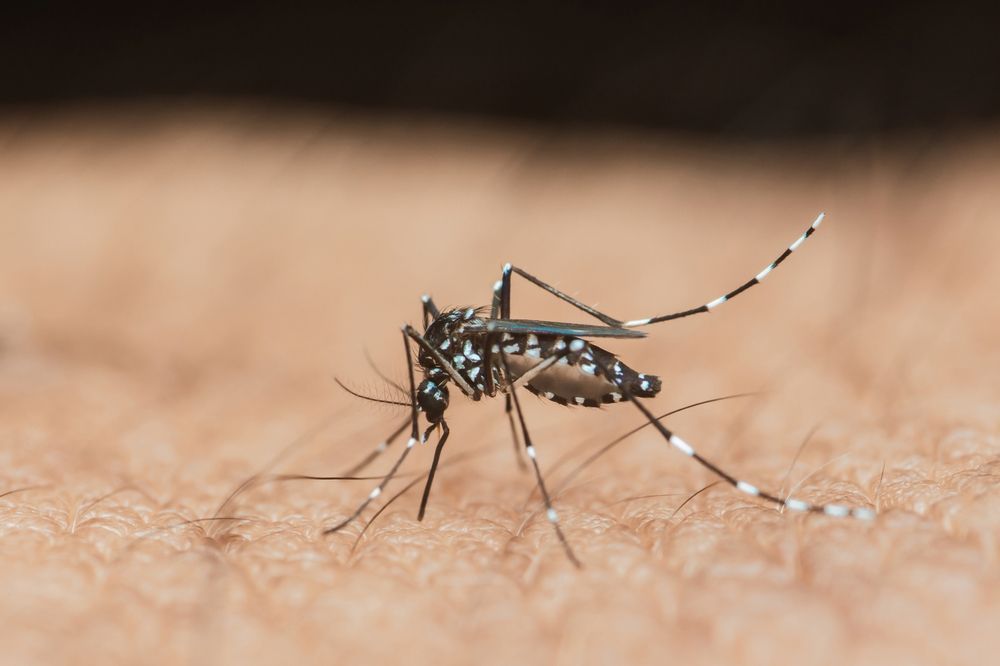
Outdoor Spaces Overtaken by Biting Insects
Mosquitos in Alton for yard activity that prevents evening gatherings and limits outdoor use during peak breeding season
Humid summer conditions increase mosquito populations throughout Alton, Edwardsville, Granite City, and throughout Southern Illinois, and properties with standing water, dense vegetation, or shaded lawn areas see sustained breeding that makes outdoor spaces unusable during evening hours. Mosquito reduction treatments from TB Pest Solutions target both adult mosquitoes and the breeding sites where larvae develop, focusing on yards, patios, and perimeter zones where families and pets spend time. Recurring treatments maintain outdoor comfort throughout warmer months by interrupting the breeding cycle before populations surge.
Mosquito control involves identifying water accumulation in gutters, low-lying yard depressions, decorative planters, and other containers where eggs hatch and larvae mature over seven to ten days. Adult mosquitoes rest in shaded vegetation, under deck surfaces, and along fence lines during daylight hours before becoming active at dusk. Treatments apply targeted outdoor formulations to these resting areas and eliminate standing water sources to prevent new generations from developing between service visits.
Schedule recurring mosquito treatments before peak breeding season begins to reduce populations before outdoor activity becomes intolerable.
What Proper Treatment Requires
Effective mosquito reduction combines larvicide applications that stop immature mosquitoes from reaching adulthood with adulticide treatments that reduce the existing biting population. Larvicides target water sources that can't be drained—birdbaths, retention ponds, ornamental features—while adulticides treat vegetation, structural overhangs, and shaded hardscapes where adult mosquitoes rest between blood meals. Safe and professional treatment methods use formulations approved for residential outdoor use, with application timing adjusted to minimize exposure to beneficial insects like pollinators.
You'll notice immediate reduction in mosquito activity during evening hours, allowing uninterrupted use of decks, patios, and yard spaces for gatherings and recreation. The persistent whining sound of mosquitoes near seating areas disappears, and visible biting incidents drop sharply within 24 hours of treatment. Recurring service maintains this suppression through summer months when untreated properties see population spikes following rain events that create new breeding sites.
Properties with poor drainage, heavy tree cover, or proximity to creeks and retention basins require more frequent treatment because mosquitoes migrate from surrounding areas even after yard populations are reduced. Seasonal service plans adjust visit frequency based on weather patterns and the specific mosquito pressure your property experiences throughout the warmer months.
Outdoor mosquito concerns involve both immediate relief and sustained control, and property owners typically want to understand treatment logistics and effectiveness before committing to seasonal plans.
Questions Before Starting Mosquito Service
TB Pest Solutions designs mosquito treatment plans that improve outdoor enjoyment for families, pets, and gatherings throughout Southern Illinois summers. Request mosquito control services to reclaim yard spaces and reduce biting activity before seasonal populations reach peak levels.
What happens to mosquito populations after heavy rain?
Rain events create new breeding sites in previously dry containers, tire ruts, and yard depressions, causing population surges 7 to 10 days later as newly hatched adults emerge and begin feeding.
How does treatment timing affect outdoor gatherings?
Applications performed 24 to 48 hours before planned outdoor events provide maximum mosquito suppression during the gathering, as treated resting areas eliminate the local population before activity peaks at dusk.
When does mosquito season begin in Alton?
Southern Illinois mosquito activity starts in late April as temperatures consistently exceed 50 degrees, with peak populations occurring from June through August when heat and humidity accelerate breeding cycles.
What yard features increase mosquito breeding?
Clogged gutters, low spots that hold water after irrigation, birdbaths unchanged for more than three days, and dense ground cover that stays damp all support larval development and adult resting behavior.
How do recurring treatments differ from one-time applications?
Single treatments provide temporary relief but don't prevent population recovery as new mosquitoes emerge from untreated breeding sites, while recurring service maintains suppression by addressing each new generation before it matures.